
Effective Solutions for Damaged Roof Fixes
When your roof shows signs of wear or damage, it’s easy to feel overwhelmed. I get it - a damaged roof can feel like a big problem. But the good news is, there are effective solutions that can bring your roof back to life without breaking the bank or causing too much stress. Whether it’s a few missing shingles or a leak after a storm, knowing what to do can save you time and money.
Let’s dive into some practical, straightforward ways to handle damaged roof fixes. I’ll walk you through what to look for, how to decide on repairs, and when it’s time to call in the pros.
Understanding Damaged Roof Fixes: What You Need to Know
First things first, understanding the type of damage your roof has is key. Not all roof problems are the same, and each requires a different approach.
Here are some common types of roof damage you might encounter:
Missing or broken shingles: These are often caused by strong winds or falling debris.
Leaks and water damage: Usually from cracks or holes in the roofing material.
Sagging roof deck: This can indicate structural issues beneath the surface.
Damaged flashing: Flashing seals joints and edges; if it’s damaged, water can seep in.
Granule loss on shingles: This reduces the roof’s ability to protect against UV rays and water.
Knowing what you’re dealing with helps you choose the right fix. For example, replacing a few shingles is a quick job, but a sagging roof deck might need professional attention.
Quick Tips for Spotting Roof Damage
Check your attic for water stains or mold.
Look for missing or curled shingles from the ground.
Inspect flashing around chimneys and vents.
After storms, look for debris or damage on the roof surface.

Practical Damaged Roof Fixes You Can Do Yourself
Some roof repairs are simple enough to tackle on your own, especially if you’re comfortable with basic tools and safety precautions. Here are a few fixes you can try:
1. Replacing Missing or Broken Shingles
Carefully remove the damaged shingles using a pry bar.
Slide new shingles into place and secure them with roofing nails.
Seal the edges with roofing cement to prevent water infiltration.
2. Fixing Small Leaks
Locate the leak by checking the attic or roof surface.
Clean the area around the leak.
Apply roofing sealant or patch material over the hole or crack.
For metal roofs, use a metal patch and sealant.
3. Clearing and Repairing Gutters
Clean out leaves and debris to ensure proper water flow.
Repair any loose or damaged gutter sections.
Proper gutters prevent water damage to your roof edges.
4. Securing Loose Flashing
Inspect flashing around chimneys, vents, and skylights.
Re-nail or re-seal loose flashing with roofing cement.
Replace severely damaged flashing sections.
Safety is crucial. Always use a sturdy ladder, wear non-slip shoes, and avoid working on the roof during wet or windy weather.

Can you repair a roof without replacing it?
Absolutely! Many roof problems can be fixed without a full replacement. Repairing your roof can extend its life and save you money. Here’s when repair makes sense:
Minor damage: Small leaks, a few missing shingles, or damaged flashing.
Good overall condition: The roof structure and materials are mostly intact.
Budget constraints: Repairs are more affordable and less disruptive.
Temporary fix: You plan to replace the roof later but need a quick solution now.
However, if your roof has widespread damage, extensive leaks, or structural issues, replacement might be the safer and more cost-effective choice in the long run.
When to Call a Professional
If you’re unsure about the damage extent.
If the roof is steep or difficult to access.
For large leaks or structural problems.
When you want a thorough inspection and expert advice.
A professional can also help with insurance claims and ensure repairs meet local building codes.
Choosing the Right Materials for Your Roof Repair
Picking the right materials is just as important as the repair itself. The Bahamas’ climate means your roof needs to withstand heat, humidity, and occasional storms.
Here are some materials to consider:
Asphalt shingles: Affordable and easy to replace, but may wear faster in tropical climates.
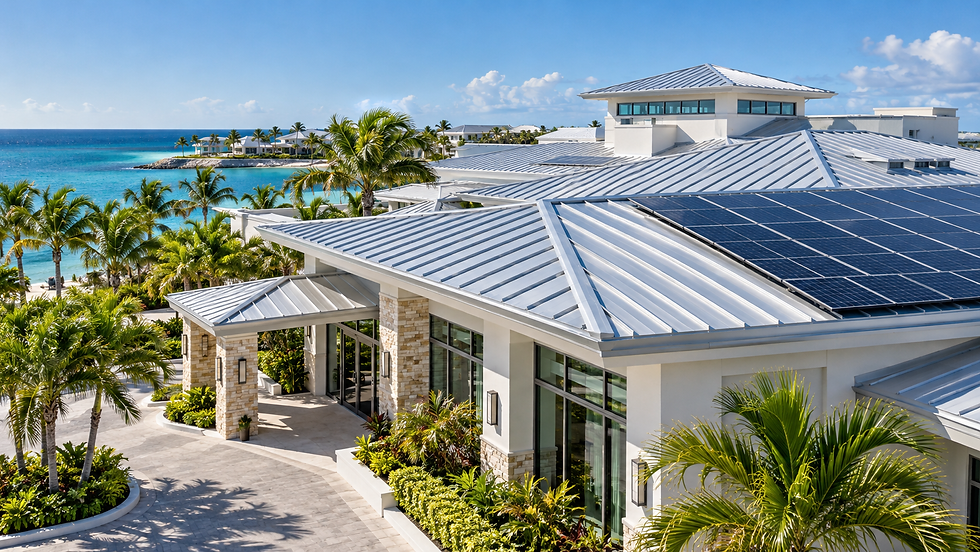
Metal roofing: Durable and resistant to wind and rain, a great option for long-term protection.
Clay or concrete tiles: Traditional and sturdy, but heavier and may require extra support.
Roofing sealants and adhesives: Essential for patching leaks and securing flashing.
Make sure the materials you choose match your existing roof and are suitable for the local weather conditions.
Maintaining Your Roof to Prevent Future Damage
The best way to avoid costly repairs is regular maintenance. Here’s a simple routine you can follow:
Inspect your roof twice a year, especially after storms.
Keep gutters clean and free of debris.
Trim overhanging tree branches to prevent damage.
Check attic ventilation to avoid moisture buildup.
Schedule professional inspections every few years.
Regular care helps catch small issues before they turn into big problems. Plus, it keeps your roof looking great and performing well.
Bringing It All Together: Your Next Steps for a Strong Roof
Taking care of a damaged roof doesn’t have to be stressful. Start by assessing the damage carefully. Then, decide if you can handle the repairs yourself or if it’s time to call in experts. Remember, a well-maintained roof protects your home and your peace of mind.
If you want reliable, professional help with your roof, consider reaching out to Integrity Roofing & Construction. They specialize in quality roofing services in The Bahamas and can help bring your vision to life with precision and care.
For more detailed advice and expert assistance, check out this roof repair resource.
Stay safe, and here’s to a strong, secure roof over your head!


Comments